Complete Pond Cleaning Services for Residential & Commercial Properties
All-Inclusive Lake and Pond Management: Professional Service Solutions
Complete pond and lake management is vital for sustaining the health of aquatic ecosystems. Quality cleaning services play an important role in this process. They supply essential solutions such as invasive species management and water quality monitoring. Sustainable practices are progressively vital in these efforts. As communities focus on safeguarding their water resources, questions arise about the best methods and services available. What strategies truly make a difference in conserving these critical environments?
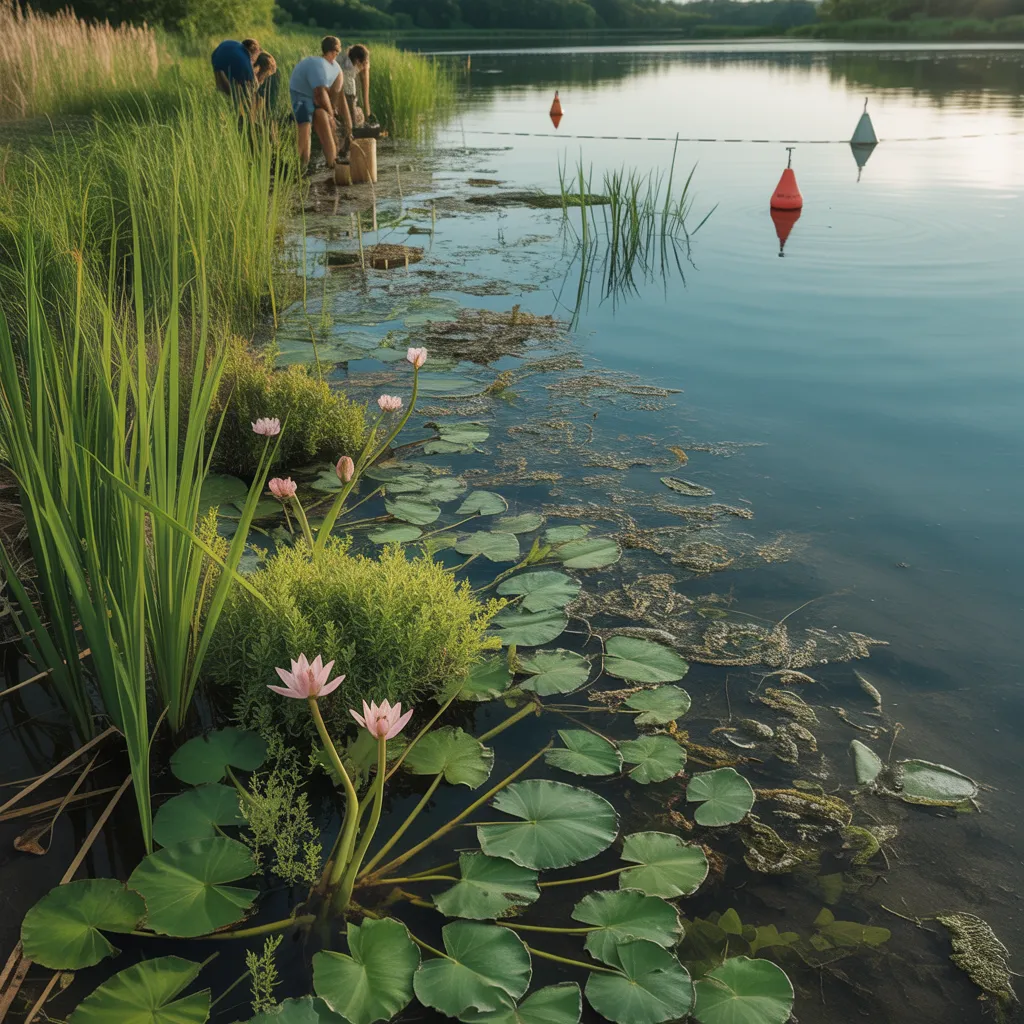
The Importance of Proper Pond and Lake Management
Although often overlooked, proper pond and lake management serves a critical function in keeping ecological balance and guaranteeing the health of aquatic ecosystems. Sound management practices stop the overgrowth of invasive species, which can interfere with native habitats and decrease biodiversity. Periodic monitoring of water quality assists in recognizing issues such as nutrient overloads or pollution, enabling timely interventions to shield aquatic life.
Moreover, sound management enables recreational activities, enhances aesthetic value, and preserves water resources for local communities. It also promotes the natural processes essential for nutrient cycling and habitat sustainability. By utilizing strategies such as controlled fishing, vegetation management, and erosion control, stakeholders can protect the ecological integrity of these water bodies. In conclusion, the significance of effective pond and lake management is crucial, as it serves not only the environment but also the economic and social benefits of local populations.
Vital Offerings for Efficient Pond and Lake Care
Maintaining the environmental well-being of ponds and lakes requires extensive cleaning services that tackle various challenges faced by these water bodies. Efficient cleaning services start with an assessment of the specific needs of the ecosystem, facilitating customized solutions. Regular removal of invasive plant species is critical, as these can disrupt the natural balance and impede aquatic life. Furthermore, sediment removal is essential to maintain water clarity and quality, avoiding excessive nutrient buildup that can lead to harmful algal blooms.
Water quality testing is another essential service, guaranteeing that both chemical and biological parameters remain within safe limits for both wildlife and human recreation. Furthermore, the management of shoreline erosion through vegetative buffers fosters stability and lessens pollution runoff. By executing these crucial services, pond and lake cleaning not only improves aesthetic appeal but also supports a healthy habitat for diverse aquatic organisms, consequently benefiting the entire ecosystem.
Approaches for Getting Rid of Debris and Contaminants
Proven methods for removing debris and contaminants from water bodies play an essential role in sustaining water quality and ecosystem health. Among the most widely-used methods are mechanical removal and chemical treatments. Mechanical removal involves utilizing specialized equipment, such as skimmers and dredgers, to physically extract debris like leaves, algae, and sediment from the water. This approach reduces disruption to the aquatic environment while effectively reducing pollutant levels.
Chemical-based treatments, like algaecides and herbicides, can target specific contaminants but need to be utilized cautiously to prevent harming non-target species. Biological methods, such as introducing beneficial microorganisms, present an sustainable alternative for breaking down organic waste and pollutants.
Consistent monitoring of water quality can inform the implementation of these approaches, ensuring ideal results. By utilizing a combination of these techniques, pond and lake managers can greatly boost the health and sustainability of aquatic ecosystems.
Practical Techniques for Handling Invasive Species
Invasive species pose significant challenges to the health of ponds and lakes, often outcompeting native flora and fauna for resources. To manage these invaders effectively, a combination of strategies is essential. To begin with, early detection and rapid response are vital; monitoring programs can identify invasive species before they establish significant populations. Additionally, manual removal methods, such as hand-pulling or mechanical harvesting, can be effective for smaller infestations. Finally, chemical treatments may be employed judiciously, ensuring that they do not adversely affect native species or water quality. In addition, public education and community involvement can raise awareness about preventing the introduction of invasive species. Moreover, restoring native plant communities helps to create a resilient ecosystem capable of outcompeting invasive species. By implementing these strategies, pond and lake managers can effectively minimize the impact of invasive species while promoting the overall health of aquatic environments.
Boosting Water Quality for Wildlife
Whereas the health of aquatic ecosystems is vital for supporting varied wildlife, bettering water quality remains a primary challenge for pond and lake managers. Elevated nutrient levels, often resulting from runoff, can result in harmful algal blooms that reduce oxygen and jeopardize aquatic life. Effective management practices emphasize reducing these nutrient inputs through buffer zones and sediment control.
In addition, preserving appropriate pH levels and temperature is vital for the well-being of sensitive species. Supervisors often track these parameters closely to maintain a balanced ecosystem. The incorporation of native plant species can improve water filtration and provide habitats for fish and invertebrates, further supporting biodiversity.
Consistent reviews and adaptations to management strategies are essential, as conditions can transform fast. Finally, the commitment to enhancing water quality not only supports wildlife but also boosts the recreational value of ponds and lakes for the local expert advice community.
How to Clean Ponds and Lakes Sustainably
Cleaning ponds and lakes sustainably demands a focus on natural methods, environmentally friendly equipment, and preventive maintenance strategies. These strategies not only safeguard aquatic ecosystems but also enhance total water quality. Implementing such strategies can create improved habitats for wildlife and a better balanced environment.
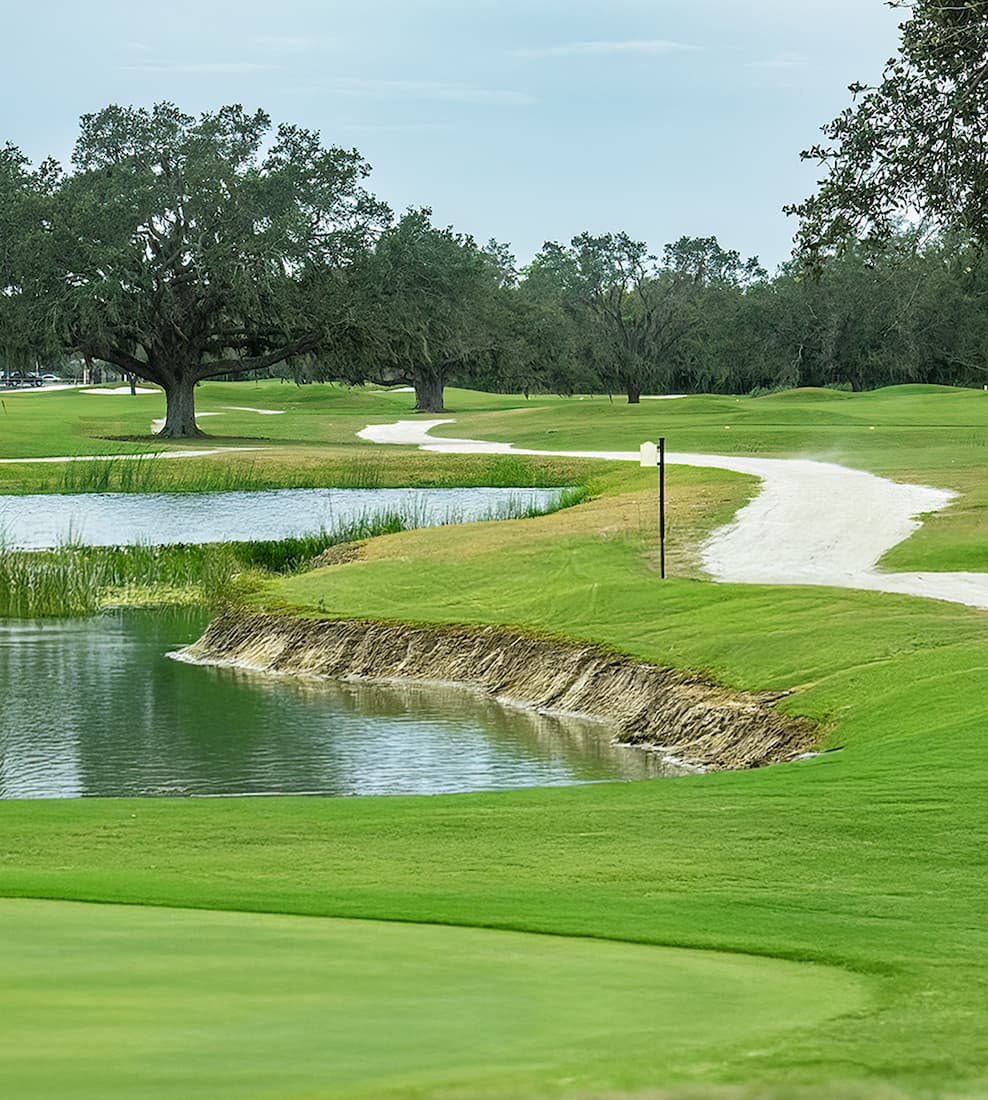
Organic Cleaning Techniques
Sustainable management of ponds and lakes progressively focuses on natural cleaning methods, which leverage the strength of ecosystems to restore water quality without harmful chemicals. These strategies include the introduction of beneficial bacteria and enzymes that disintegrate organic matter, therefore promoting a balanced ecosystem. Aquatic plants fulfill a crucial purpose by absorbing excess nutrients, which assists in regulating algae growth. Additionally, utilizing natural predators, such as fish species that consume unwanted pests, can sustain a healthy aquatic environment. Regularly aerating the water increases oxygen levels, supporting the breakdown of pollutants. By integrating these natural techniques, water bodies can attain improved clarity and health while maintaining the delicate balance of their ecosystems, ultimately leading to sustainable and effective management practices.
Green Equipment Choices
Natural cleaning methods provide a firm base for upholding vibrant aquatic ecosystems, however the tools and equipment employed in the process also fulfill a vital role. Environmentally friendly equipment options are critical for sustainable pond and lake management. For instance, solar-powered aerators boost oxygen levels without the carbon footprint associated with traditional models. Eco-friendly cleaning agents can effectively remove algae and debris while reducing harm to wildlife. In addition, manual tools like rakes and nets decrease reliance on chemical treatments. Employing these sustainable options not only secures cleaner water but also fosters a balanced ecosystem. By adopting sustainable equipment, pond and lake managers can successfully address cleaning needs while prioritizing environmental health and conservation.
Routine Maintenance Protocols
While maintaining clean and healthy aquatic environments can be challenging, incorporating preventive maintenance practices provides long-term sustainability for ponds and lakes. Routine assessment of water quality, including pH and nutrient levels, aids in detecting potential issues before they escalate. Setting up a routine schedule for debris removal and vegetation management decreases the buildup of organic matter, fostering better water circulation. In addition, employing eco-friendly techniques such as bioengineering or natural filtration systems develops a balanced ecosystem. Educating local communities about responsible practices, such as decreasing chemical runoff and proper waste disposal, further supports these efforts. By focusing on preventive maintenance, pond and lake managers can successfully boost water quality, protect biodiversity, and guarantee these essential resources remain healthy for future generations.
Choosing the Finest Pond and Lake Care Service
How can someone ensure they choose the ideal pond and lake cleaning service? The key lies in conducting thorough research. Potential customers ought to begin by requesting referrals from local environmental organizations or community residents with expertise in comparable services. Assessing a provider's qualifications, such as licenses and certifications, ensures compliance with industry standards.
Subsequently, customers should question the cleaning methods applied, stressing environmentally safe practices. A credible service will provide detailed information about their processes and equipment. Furthermore, checking customer ratings and testimonials can provide perspective into trustworthiness and service quality.
In conclusion, securing multiple quotes allows for comparisons not only in price but also in the range of services provided. By implementing these steps, property owners can make knowledgeable decisions, making certain they select a cleaning service that fulfills their unique needs while promoting the health and sustainability of their water feature.
Frequently Asked Questions
What Is the Recommended Frequency for Cleaning My Pond or Lake?
Annual cleaning of ponds and lakes should occur at least once, ideally in spring or fall. Routine upkeep, including observing water conditions and eliminating debris, supports a healthier ecosystem and stop excessive growth of undesirable plants.
Which Permits Must Be Obtained for Cleaning Ponds and Lakes?
The necessary permits for pond and lake care generally include environmental impact assessments, water use permits, and occasionally regional licenses. Engaging with local authorities assures compliance with regulations governing aquatic management operations.
Are There Seasonal Considerations for Cleaning Services?
Yes, seasonal aspects of cleaning services are vital. Spring and fall commonly require more attention as a result of increased debris and algae growth, while winter might necessitate distinct techniques to preserve water quality and ecosystem health.
Am I Able to Clean My Pond or Lake Personally?
Self-cleaning a pond or lake is achievable, but it requires appropriate expertise, tools, and protective measures. Hazards include inappropriate practices, risk of injuring wildlife, and ineffective cleaning, which may necessitate professional assistance later.
What Fees Are Associated With Professional Cleaning Services?
Professional cleaning services for ponds and lakes typically involve costs related to labor, equipment rental, and materials. Extra costs can stem from permits, disposal fees, and ongoing maintenance, according to the project's scale and complexity.